My Advice to You About Weight Loss Surgery – Don’t Wait!
Meet Allen Fabijan – you may already know him as ‘Some Guy Named Allen’ from US106.1. What you may not
Meet Allen Fabijan – you may already know him as ‘Some Guy Named Allen’ from US106.1. What you may not


Here at CFWLS we want you to be as stress-free as possible! However, with all of life’s pressures, stress will
Holiday traditions are often based on recipes that have been handed down through generations and those memories that cling to



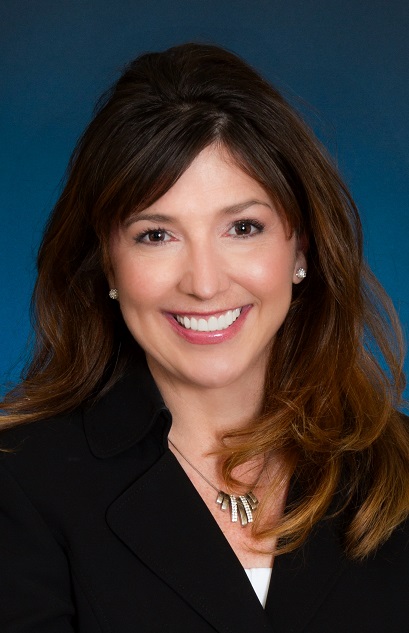 With over 30 years of experience in IT, Finance, and Healthcare fields, Tina has served the healthcare industry in such roles as Project Manager, Practice Manager, Physician Recruitment and assisted with electronic medical record (EMR) conversions. She attended the University of Maryland in both Asia and Europe majoring in Computer Science and is fascinated with learning new technologies.
Tina enjoys educating our clients on our products and programs and “celebrating their successes and milestones…one pound at a time!”. Don’t be surprised if she gives you a hug!
For fitness and fun, she likes to “slog” (slow jog) races and enjoys competing in half marathons. “Come out and join me for the next one. Believe in yourself and you CAN do it!”
For more information on weight loss in Virginia, please contact (phone or text) us at (757) 873-1880 today!
With over 30 years of experience in IT, Finance, and Healthcare fields, Tina has served the healthcare industry in such roles as Project Manager, Practice Manager, Physician Recruitment and assisted with electronic medical record (EMR) conversions. She attended the University of Maryland in both Asia and Europe majoring in Computer Science and is fascinated with learning new technologies.
Tina enjoys educating our clients on our products and programs and “celebrating their successes and milestones…one pound at a time!”. Don’t be surprised if she gives you a hug!
For fitness and fun, she likes to “slog” (slow jog) races and enjoys competing in half marathons. “Come out and join me for the next one. Believe in yourself and you CAN do it!”
For more information on weight loss in Virginia, please contact (phone or text) us at (757) 873-1880 today! 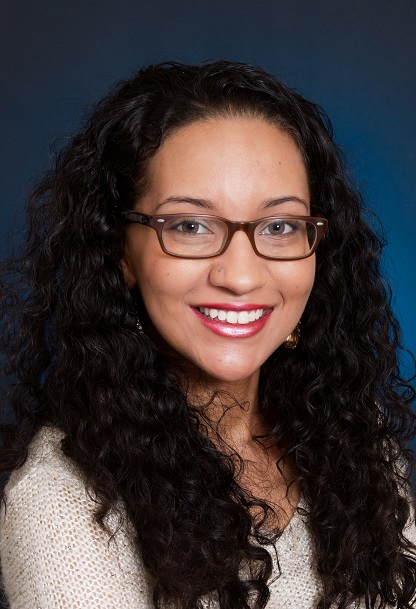 Jessica is the newest addition to the team here at CFWLS.
 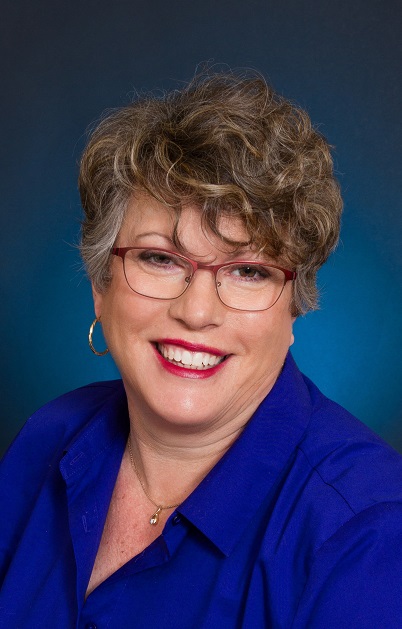 Dani has over 35 years of experience in the medical field and has been working as Dr. Clark’s Medical Assistant for over 15 years. Her area of expertise is with the surgical patients. She works closely with Dr. Clark and is always just a phone call away to answer your questions or just lend an encouraging word!
Dani spends her spare time volunteering at an equine rescue or riding rescue horses.
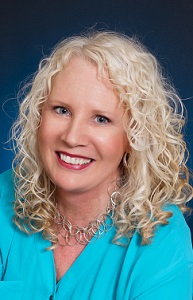 Although her initial career was in Finance, Dawn’s passion for health & fitness motivated her to re-direct her energy toward helping others reach their goal toward a strong & healthy life. Counseling patients and teaching My Weight Loss Academy™ classes in lifestyle modification and nutrition keeps her smiling. “This is far more than a job, it’s an opportunity to help people learn and make positive changes in their health. Each day brings a new reward!”
Dawn is a certified personal trainer and worked in various fitness facilities before joining us in 2009. She also holds certifications in Exercise & the Older Adult, Aquatic Exercise, Chronic Diseases and Disabilities, Facilitated Stretching, Fitness Therapy and Lifestyle & Weight Management.
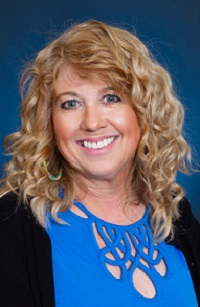 Cat Williamson was born and raised in Hampton Roads. She feels blessed that she lives close to the Ocean as well as the Mountains since she enjoys taking weekend trips with her Hubby. Cat has worked in a medical setting for more than 35 years and started working for Dr. Clark as his Surgical Coordinator over fifteen years ago. Due to her longevity here at CFWLS, she has “well rounded” knowledge in each program (medical or surgical) that Dr. Clark’s Center for Weight Loss Success offers. Cat, as the Office Manager ensures that daily structure is handled with a balance of professionalism and excitement for each of our Patient’s weight loss journey. She feels rewarded each time a Patient or Client peeks into her office to share yet another milestone toward their new life!
 Cat Keller has a wealth of experience in marketing, e-marketing, advertising and customer service and manages our Weight Loss Nutritional Store. She is always planning something fun and exciting. special events, discounts, giveaways – it’s never a dull moment. She is happy to help you with questions you may have regarding our products or services. Cat is a graduate of William & Mary, where she studied Government/Pre-Law and minored in Marketing.
“My ultimate goal here at Center for Weight Loss Success is to help our clients be successful in their weight loss. We all know how wonderful it is to win a long fought battle. The battle against weight gain, and the poor health it eventually brings is, I believe, one of the most important to win because it brings with it the biggest pay off of all…a longer, healthier life. That is what motivates me to come to work everyday, it’s the opportunity to help a client achieve a renewed zest for life.”